Unlocking the Potential of EPS Foam in Modern Industrial Applications
Unlocking the Potential of EPS Foam in Modern Industrial Applications
Introduction: The Role of EPS Foam in Industry
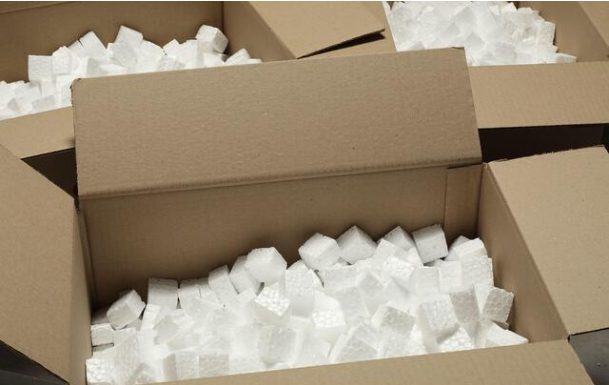
Expanded Polystyrene (EPS) foam is a lightweight, versatile material widely used across various industries. From packaging fragile goods to providing thermal insulation in construction, EPS foam offers durability, cushioning, and excellent insulation properties. Sustainability is becoming a critical factor in industrial operations, and EPS foam recycling — especially rEPS solutions — plays a vital role in minimizing environmental impact. Among its many applications, EPS foam boards stand out for their structural rigidity, ease of handling, and adaptability in industrial projects. With growing demand for efficient production and sustainable practices, businesses increasingly rely on advanced machinery to optimize EPS foam processing.
Features of EPS Foam Boards and the Role of Plastic Extrusion Machines
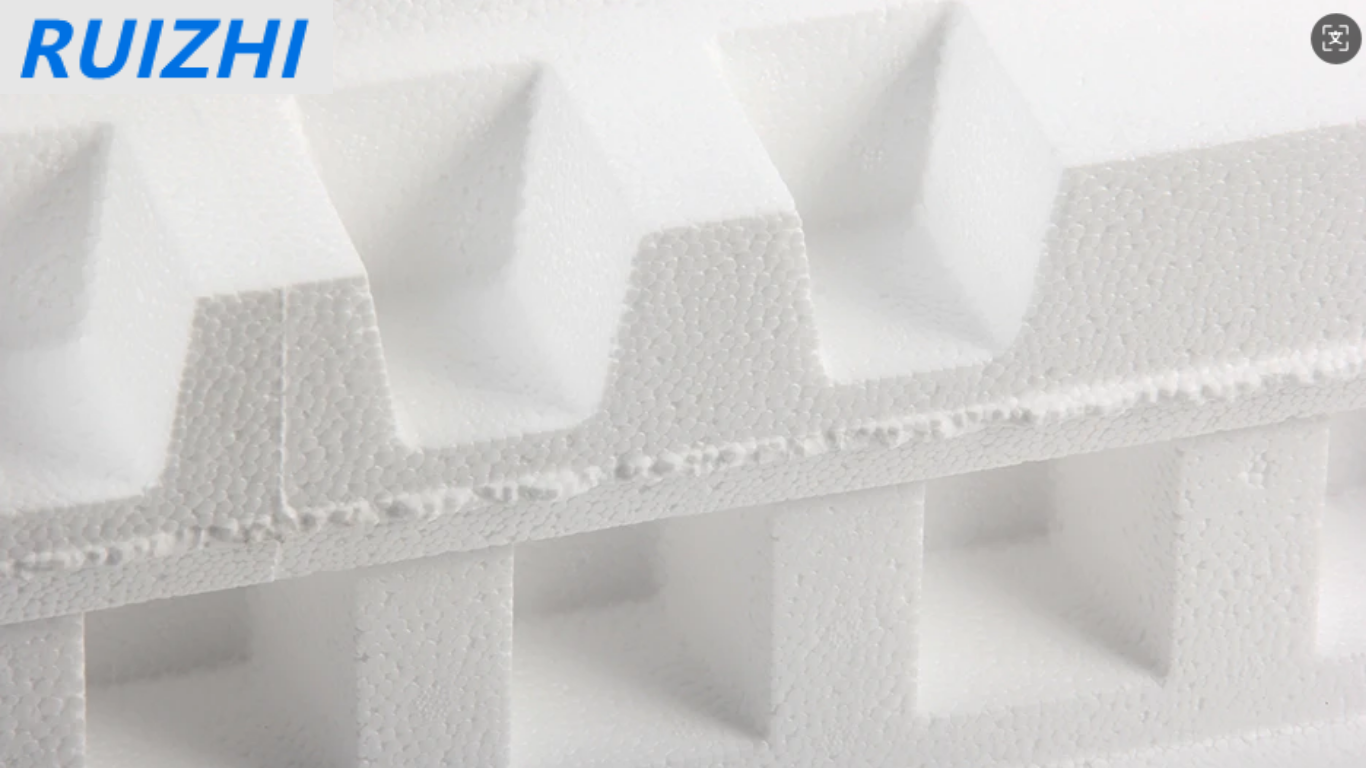
EPS foam boards are manufactured to meet diverse industrial requirements. They provide consistent thickness, smooth surfaces, and superior strength-to-weight ratios, making them ideal for applications such as wall insulation, signage, and protective packaging. Their lightweight nature not only reduces shipping costs but also improves handling efficiency on production lines.
To produce high-quality EPS foam boards, specialized EPS processing equipment based on advanced plastic extrusion machines is essential.These machines allow precise control over material flow, temperature, and density, ensuring that each board meets strict quality standards. Modern extrusion equipment can handle large volumes with high consistency, often integrating large-capacity underwater pelletizing systems to enhance productivity while minimizing waste. By integrating cutting-edge extrusion technology, manufacturers can achieve faster production cycles, reduced operational costs, and superior product performance. Recent developments in underwater pelletizing technology further demonstrate how extrusion efficiency and pellet quality continue to improve.
EPS Foam Recycling: Towards Sustainable Manufacturing
Sustainability is becoming a critical factor in industrial operations, and EPS foam recycling plays a vital role in minimizing environmental impact. Traditionally, EPS waste posed significant disposal challenges due to its bulk and slow degradation. However, with advanced EPS recycling machines, companies can convert EPS waste into reusable raw materials, closing the loop in a circular economy.
Using EPS recycling machines offers multiple advantages: reducing landfill burden, lowering raw material costs, and promoting eco-friendly production. The machines efficiently process post-consumer or production scrap, melting and reforming it into pellets or granules suitable for new foam products. This not only supports environmental responsibility but also aligns with international regulations and sustainability goals, giving businesses a competitive edge in global markets.Staying informed about EPS industry trends and technology updates helps manufacturers adapt faster and remain competitive in global markets.
Maximizing Efficiency, Sustainability, and Profitability
Incorporating high-quality EPS foam boards and advanced plastic extrusion machines can significantly enhance production efficiency and product quality. Moreover, integrating EPS foam recycling technologies ensures sustainable operations and cost-effective resource management. By leveraging these solutions, manufacturers can meet the growing industrial demand for lightweight, durable materials while supporting eco-conscious practices. Ultimately, investing in modern equipment and recycling capabilities empowers businesses to optimize operations, reduce waste, and maintain a strong competitive position in the global market.
